

The Assumption Trap
Here's a pattern we see constantly: A founder has a great idea, assembles a team, spends months building, and launches to... silence. The product works beautifully, but nobody wants it.
This happens because the product was built on assumptions, not validated needs. The founder assumed they understood the problem. They assumed their solution was the right one. They assumed people would pay.
Assumptions are dangerous.

Validation Before Building
Before we write any code, we answer three questions with evidence, not opinions:
1. Is this a real problem?
Not "would this be nice to have" but "does this problem cause genuine pain?" We look for people actively complaining, creating workarounds, or spending money on imperfect solutions.
2. Is our solution compelling?
Solving a real problem isn't enough if our approach doesn't resonate. We test solution concepts with potential users before building anything. Their reactions tell us whether we're on the right track.
3. Will people pay?
The ultimate validation is someone opening their wallet. We look for evidence of willingness to pay before investing in building.

Our Validation Toolkit
Problem interviews: Structured conversations with potential users focused entirely on understanding their problems, not pitching solutions.
Concierge testing: Manually delivering the service before automating anything. This validates demand and helps us understand the real workflow.
Landing page tests: Creating a page describing the product and measuring interest through signups or clicks. Real behavior beats stated intentions.
Pre-sales: For some products, we sell before building. If people won't commit money now, they won't later.
What Validation Looks Like
Strong validation signals:
- People share the problem unprompted
- Current solutions generate frustration
- People immediately understand the value proposition
- They ask how to buy or sign up
Weak validation signals:
- "That's interesting"
- "I could see someone using that"
- "Let me know when it's ready"
The Courage to Pivot
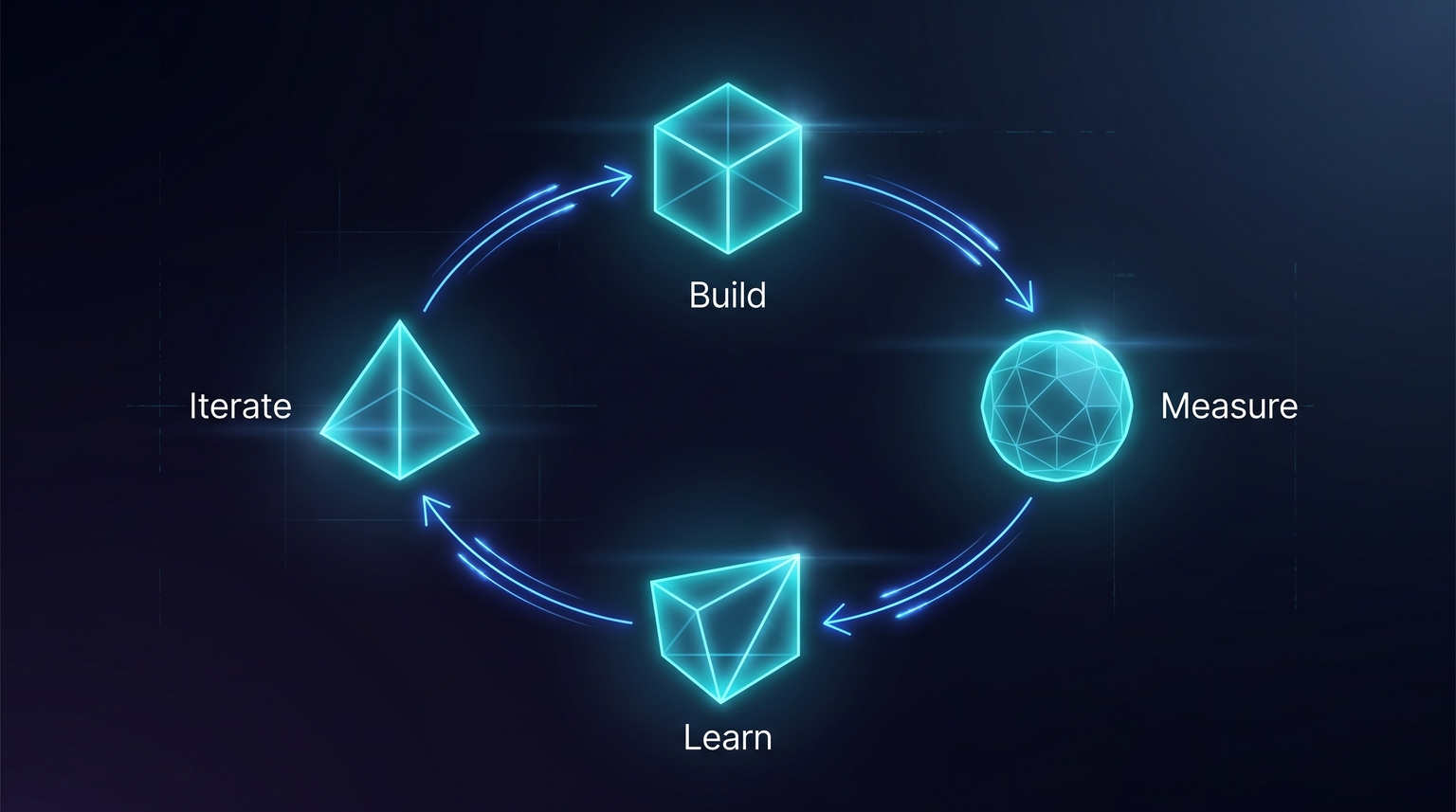
Sometimes validation reveals we're wrong. The problem isn't as significant as we thought, or our solution misses the mark. This is valuable information, not failure.
The courage to pivot based on validation—before sinking months into building—is one of the most valuable skills in product development.
Building With Confidence
When validation is strong, building becomes easier. We know the problem is real. We know our solution resonates. We can focus on execution rather than wondering if anyone will care.
That confidence accelerates everything that follows.